

Introduction
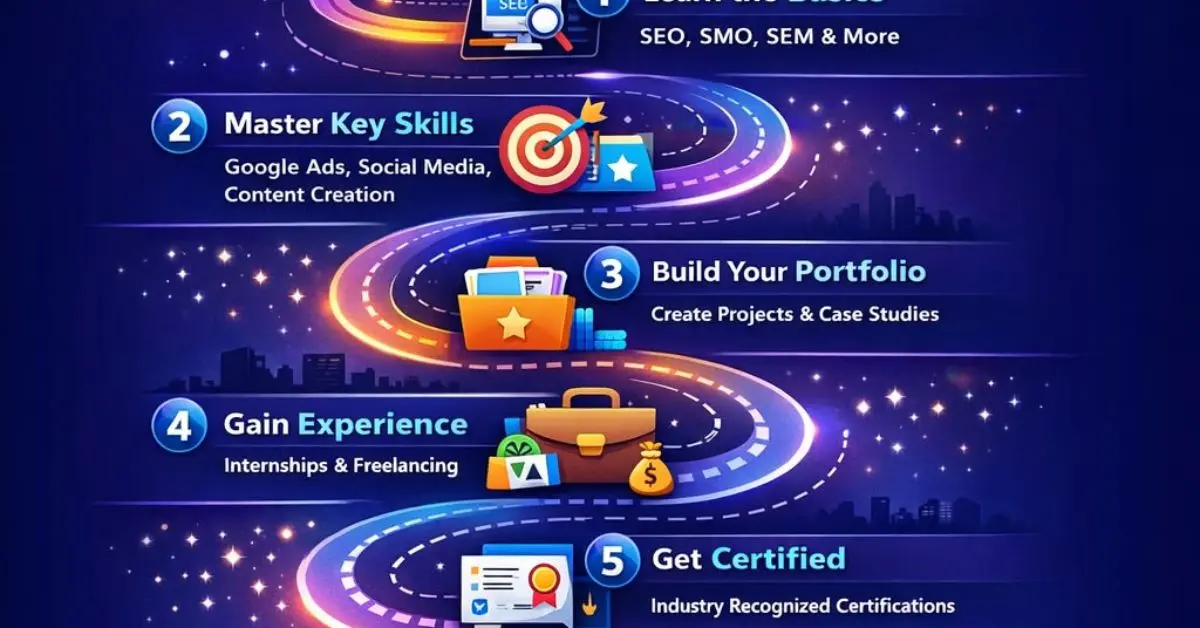
Online certification guide is an essential resource for anyone who wants to improve their skills, grow their career, or switch to a new professional path using flexible and affordable learning options. In today’s competitive job market, gaining verified skills through online certification programs has become more important than ever. These programs help learners build practical knowledge without spending years in traditional education systems.
Whether you are a beginner or an experienced professional, an online certification guide helps you choose the right course, understand industry-relevant skills, and complete certifications successfully. With thousands of courses available online, having a clear direction saves time, money, and effort while improving learning outcomes
What is Online Certification Guide?
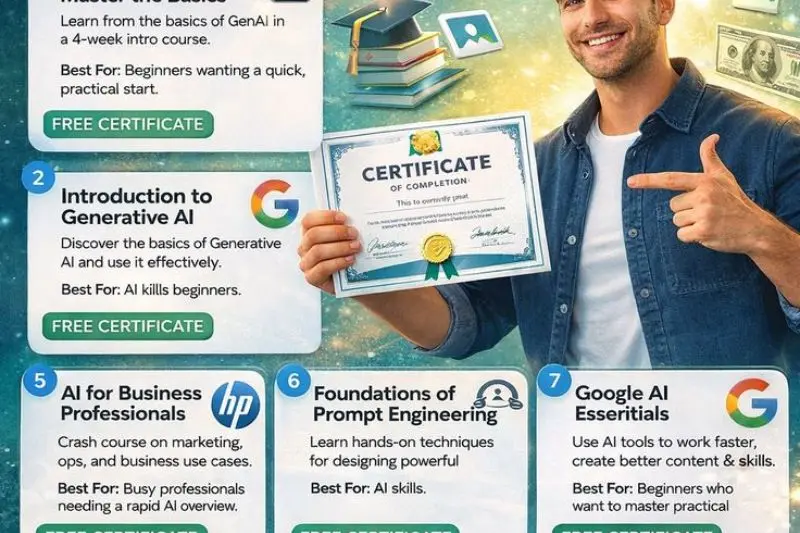
An online certification guide is a structured approach that helps learners understand how to select, enroll in, and complete online certification programs effectively. It provides step-by-step instructions on choosing the right course, building learning habits, and using certifications to improve career opportunities.
Online certifications themselves are digital credentials awarded after completing a structured course or training program. These certifications are usually offered by universities, online learning platforms, industry experts, and professional organizations.
Unlike traditional degrees, certifications focus on specific skills rather than broad academic knowledge. For example, instead of studying general business topics for years, a certification may focus only on digital marketing, project management, or coding fundamentals.
Most online certification programs include video lectures, quizzes, assignments, and practical projects. At the end of the course, learners must complete an assessment to earn a certificate of completion.
These certifications are widely used in industries such as technology, healthcare, finance, education, and creative fields. They help learners demonstrate job-ready skills in a shorter time frame.
Why is Online Certification Guide Important?
An online certification guide is important because it helps learners avoid confusion and make informed decisions in a highly competitive learning environment. With thousands of courses available online, choosing the wrong program can waste time, money, and effort.
One major benefit of following a structured guide is clarity. It helps learners identify their goals and choose certifications that align with their career path or personal development needs.
Another important factor is credibility. Not all certifications are equally recognized. A proper guide helps learners focus on programs that are valued by employers and industries.
Additionally, online certification programs allow individuals to upskill quickly in response to market demands. In fast-changing industries, staying updated is essential for career growth.
Finally, certification guides encourage strategic learning. Instead of randomly enrolling in courses, learners follow a planned approach that improves efficiency and long-term results.
Detailed Step-by-Step Guide
Step 1: Identify Your Career Goals
Before choosing any certification, clearly define your objective.
Ask yourself:
- Do I want a new job?
- Do I want a promotion?
- Do I want to change my career field?
- Do I need technical skills or soft skills?
Clear goals help you choose the right certification path.
Step 2: Research Industry Demand
Not all skills have equal job demand.
Popular certification fields include:
- Data science
- Digital marketing
- Cybersecurity
- Web development
- Project management
- Graphic design
- Business analytics
- Cloud computing
Choosing in-demand skills increases job opportunities.
Step 3: Select a Trusted Platform
Choosing a reliable platform is essential for certification value.
Look for:
- Course reviews
- Instructor expertise
- Industry recognition
- Updated curriculum
- Practical assignments
A strong platform improves learning outcomes.
Step 4: Compare Course Content
Not all courses cover the same depth of knowledge.
Evaluate:
- Course syllabus
- Practical projects
- Real-world examples
- Assessment methods
- Certification validity
High-quality content leads to better skill development.
Step 5: Create a Learning Schedule
Consistency is key to completing certifications successfully.
Example schedule:
- 1 hour daily study
- Weekend revision sessions
- Weekly practice projects
A structured routine improves retention.
Step 6: Practice Regularly
Certifications are not just about watching videos.
Practical application includes:
- Completing assignments
- Building projects
- Solving case studies
- Taking quizzes
Hands-on experience strengthens understanding.
Step 7: Complete Final Assessment
Most certifications require a final exam or project.
Focus on revision, practice, and understanding key concepts before submission.
Step 8: Add Certification to Portfolio
Once completed, include your certification in:
- Resume
- LinkedIn profile
- Portfolio websites
- Job applications
This increases visibility to employers.
Benefits of Online Certification Guide
Following a proper online certification guide offers several advantages:
- Helps choose the right certification program
- Saves time by avoiding irrelevant courses
- Improves career opportunities
- Enhances practical skill development
- Provides structured learning path
- Builds professional credibility
- Increases employability
- Supports career switching
- Offers flexible learning schedules
- Reduces education costs
- Improves confidence in job interviews
- Keeps skills updated with industry trends
- Provides globally recognized credentials
- Encourages lifelong learning
- Helps build strong professional portfolios
Disadvantages and Risks
Despite many advantages, learners should be aware of potential challenges:
- Some certifications lack industry recognition
- Quality varies between providers
- Requires strong self-discipline
- Internet access is necessary
- Overlapping course content can cause confusion
- Some programs are expensive
- Not all certifications guarantee jobs
- Limited hands-on experience in some courses
- Risk of choosing outdated programs
Understanding these risks helps learners make better decisions.
Common Mistakes to Avoid
Many learners make avoidable mistakes when pursuing certifications.
One common mistake is selecting courses without research. This often leads to low-value certifications.
Another mistake is focusing only on certificates instead of actual skill development.
Some learners enroll in too many courses at once, leading to incomplete learning.
Ignoring practical projects is also a major issue. Employers value real-world skills more than certificates alone.
Poor time management can delay course completion and reduce motivation.
Finally, many learners fail to update their resume or portfolio after earning certifications.
Frequently Asked Questions
What is an online certification?
An online certification is a digital credential awarded after completing a structured course that demonstrates specific skills or knowledge.
2. Are online certifications valuable for jobs?
Yes. Many employers recognize certifications, especially when they demonstrate practical and industry-relevant skills.
3. How long does it take to complete a certification?
It depends on the course. Some take a few hours, while others may take several weeks or months.
4. Do online certifications replace degrees?
No. Certifications complement degrees by providing specialized and practical skills but do not fully replace academic education.
5. Are free certifications useful?
Yes, many free certifications provide valuable knowledge, though paid certifications may offer more advanced content and recognition.
6. Can beginners take certification courses?
Absolutely. Many programs are designed specifically for beginners with step-by-step learning paths.
7. How do I choose the right certification?
Focus on your career goals, industry demand, course quality, and platform reputation before enrolling.
Expert Tips & Bonus Points
Start with beginner-level certifications before moving to advanced topics.
Focus on one certification at a time for better understanding.
Practice regularly instead of only watching lectures.
Build real-world projects to strengthen your portfolio.
Stay updated with industry trends to choose relevant certifications.
Network with other learners to exchange knowledge and experiences.
Track your progress weekly to stay motivated.
Always apply learned skills in practical situations.
Treat certifications as skill-building tools rather than just resume additions.
Conclusion
Online certification programs have become a powerful way to build skills, improve career opportunities, and stay competitive in today’s evolving job market. They offer flexibility, affordability, and focused learning that helps individuals gain practical knowledge in a shorter time compared to traditional education.
However, success with certifications depends on choosing the right program, maintaining consistency, and applying learned skills in real-world situations. A structured approach ensures better results and avoids wasted time or effort on low-value courses.
By following a proper online certification guide, learners can make informed decisions, develop in-demand skills, and create strong professional profiles that attract employers. Whether you are starting your career or upgrading your expertise, certifications can play a crucial role in your long-term growth.
Ultimately, continuous learning is the key to success in any industry. With the right mindset and strategic approach, online certifications can open new doors, improve confidence, and help you achieve your professional goals in a competitive world.
