


The educational landscape is transforming at a rapid pace, bringing fresh updates to the world of classroom innovation. Keeping up with EdTech News is essential for teachers, students, and parents who want to stay ahead of these digital shifts. Today, learning goes far beyond traditional textbooks, opening doors to highly interactive and personalized digital environments.
Understanding the latest EdTech News helps modern communities make sense of new software and hardware designed to make studying more effective. From immersive simulations to smart automation, these updates are rewriting the rules of academic success. Navigating these changes ensures that schools can foster better engagement and build skills for the future economy.
What is EdTech News
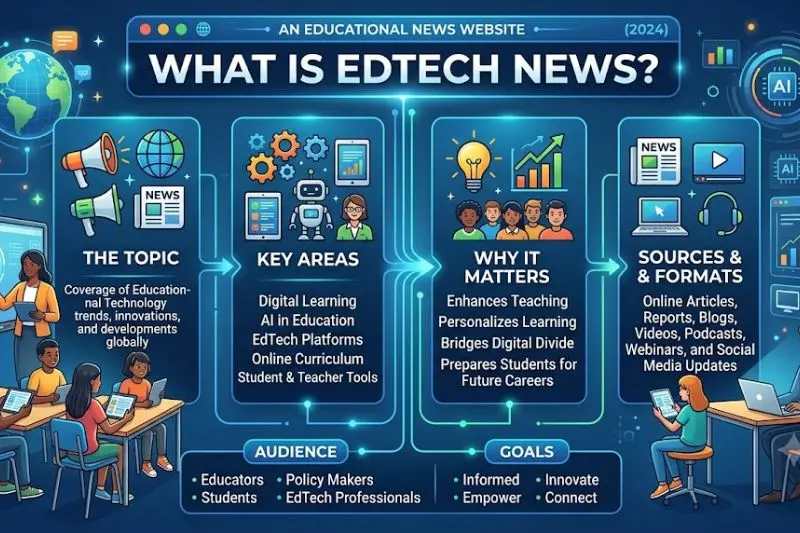
EdTech News refers to the ongoing reporting, updates, and analysis of educational technology trends and tools. It covers everything from new mobile learning applications and virtual reality software to smart grading systems used in modern universities. This niche of news tracks how digital solutions intersect with traditional teaching methods to improve human learning.
By focusing on this field, readers can discover which software platforms are gaining traction and which hardware tools are entering schools. It serves as a bridge between computer engineers developing new platforms and the teachers who use them daily. Ultimately, it provides a clear picture of how information technology actively supports knowledge sharing across the globe.
Why is EdTech News Important?

Staying informed through EdTech News is critical because digital tools now play a major role in student performance and institutional growth. For teachers, these updates highlight time-saving applications that reduce paperwork, allowing more hours for face-to-face instruction. For students, it introduces immersive ways to master complex subjects like mathematics, biology, and history.
Furthermore, following EdTech News helps school administrators make smart budget decisions regarding hardware and software upgrades. Investing in the wrong technology can waste precious resources, while the right platform can dramatically scale student retention. In a world driven by digital skills, these updates show exactly how to prepare young minds for modern workplace environments.
Detailed Step-by-Step Guide to Navigating EdTech Trends
Embracing new learning tools can feel overwhelming if you do not have a clear strategy. This detailed, step-by-step framework will guide you through exploring, adopting, and mastering modern educational applications.
Step 1: Identify Your Core Academic Needs
Before downloading any new application, pinpoint the exact problem you want to solve. Are your students struggling with focus, or do they need help visualizing physics experiments? Defining your primary challenge keeps you from wasting time on flashy but ineffective platforms.
Step 2: Research Highly-Rated Tools
Once you know your goal, consult reliable industry reports to find software that fits your target criteria. Look for products that have documented case studies showing measurable improvements in student engagement or test scores.
Step 3: Run a Small-Scale Pilot Program
Never roll out a new software platform to an entire school or class all at once. Test the tool with a small group of users for two to four weeks to gather initial feedback. This trial period reveals technical glitches and helps you assess user friendliness.
Step 4: Provide Structured Training Support
When expanding the tool to a larger audience, offer short, practical training sessions for both teachers and students. Providing quick-reference sheets or video tutorials ensures everyone understands how to log in and use the core features.
Step 5: Track Performance and Adapt
Regularly look at the usage data and analytics provided by the educational software. If student participation drops after a month, adjust your lesson plans or try a different interactive feature within the platform.
Benefits of Modern Educational Technology
The continuous stream of updates highlighted in EdTech News reveals several clear advantages for contemporary learning environments.
- Highly Personalized Learning Paths: Digital programs can automatically adjust the difficulty of lessons based on how quickly a student answers questions.
- Increased Engagement Through Gamification: Features like badges, leaderboards, and interactive quizzes turn repetitive studying into an enjoyable game.
- Enhanced Classroom Accessibility: Students with physical or learning challenges can use speech-to-text tools, screen readers, and real-time translators.
- Streamlined Administrative Tasks: Automated grading systems and digital attendance trackers give educators more time to focus on student mentorship.
- Global Collaboration Opportunities: Cloud-based platforms allow students in different countries to work together on science projects and cultural exchanges.
Disadvantages and Digital Risks of EdTech
While the innovations reported in EdTech News offer incredible potential, they also introduce challenges that require careful management.
- The Reality of the Digital Divide: Students without reliable home internet or modern computers can easily fall behind their peers.
- Data Privacy Concerns: Sharing student information on unsecured cloud applications can risk exposing private data to unauthorized networks.
- Increased Screen Time Fatigue: Spending too many consecutive hours looking at digital monitors can cause eye strain and lower attention spans.
- High Initial Implementation Costs: Purchasing premium software licenses and interactive hardware can strain the budgets of smaller schools.
- Technical Distractions in Class: If digital tools are not carefully monitored, students may wander off onto social media or video games during lessons.
Common Mistakes to Avoid When Using EdTech
One major error is choosing technology just because it is trendy, rather than ensuring it serves a clear educational purpose. Flashy animations cannot replace solid pedagogy, so tools must always align with your core curriculum goals.
Another mistake is failing to set clear boundaries for device usage during class hours. Without structured guidelines, tablets and laptops can quickly transform from helpful study aids into major sources of distraction.
Finally, many organizations neglect ongoing professional development for their instructional staff. Throwing expensive hardware into a classroom without teaching the instructor how to maximize its features leads to low adoption rates.
FAQs
How does educational technology improve student learning outcomes?
Digital software improves outcomes by offering immediate feedback, allowing students to correct their mistakes in real time. It also presents information through multiple formats like video, audio, and interactive models to match various learning preferences.
What age groups benefit the most from modern educational platforms?
All age groups benefit, though the application style shifts depending on maturity. Young children thrive on gamified literacy apps, while older university students benefit from advanced simulation software and flexible data analytics.
How can schools protect student data privacy when using online tools?
Schools should only partner with vendors that strictly comply with regional data privacy laws. Administrators must ensure all platforms use strong encryption, restrict third-party data sharing, and require secure user logins.
Is hybrid learning still relevant in today’s educational system?
Yes, hybrid learning remains incredibly relevant because it combines the flexibility of online research with the social benefits of in-person discussions. It allows institutions to maximize their physical space while offering accessible options for remote students.
Can educational applications fully replace traditional classroom teachers?
No, digital tools cannot replace human teachers because technology lacks the empathy, emotional intelligence, and mentorship skills needed to guide students. Software is designed to be a powerful assistant, not a replacement for human educators.
What should a school do if its budget for technology is very limited?
Schools with small budgets can focus on free, open-source educational software and accessible web-based resources. They can also prioritize mobile-friendly tools, since many families already own smartphones or basic tablets.
Expert Tips and Bonus Strategies
To get the most out of the updates featured in EdTech News, always focus on ease of use over complex features. A simple, well-designed application that everyone understands will always outperform a complicated system that frustrates users.
Additionally, encourage students to take regular screen breaks using the twenty-twenty-twenty rule. Every twenty minutes, look at an object twenty feet away for at least twenty seconds to keep your eyes healthy.
Conclusion
Following EdTech News provides the insights needed to navigate the ever-evolving world of digital classrooms. As software platforms grow more sophisticated, their ability to customize lessons to individual paces will only increase. By staying updated, communities can adopt the right tools while avoiding common pitfalls like data risks and digital distractions.
Ultimately, technology is a magnificent bridge that connects curious minds with limitless human knowledge. When implemented with clear goals and proper training, these digital tools empower both teachers and students to achieve great academic success. Staying informed ensures that your educational practices remain relevant, efficient, and deeply impactful for years to come.
