

Introduction
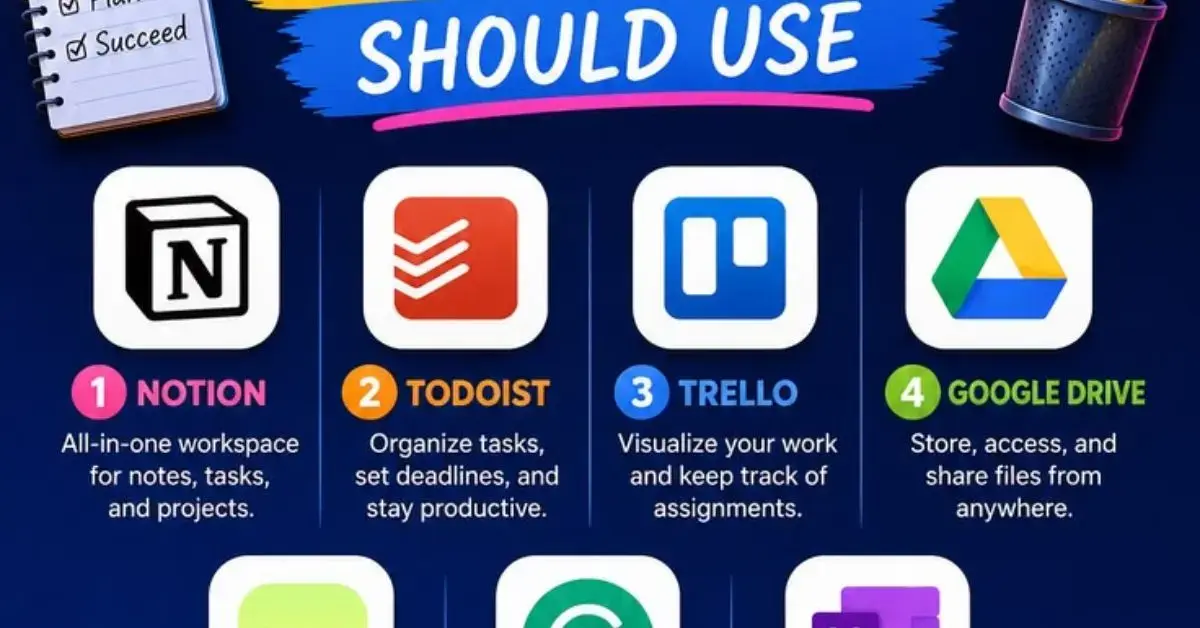
Best study apps have become essential tools for students, professionals, and lifelong learners who want to improve focus, organize study time, and learn more efficiently. In today’s digital world, education is no longer limited to classrooms and textbooks. With smartphones and laptops, learners can now access powerful applications that help them take notes, manage schedules, practice subjects, and revise lessons anytime.
The rise of digital education has made learning more flexible and personalized. Instead of following rigid study routines, students can now use apps that adapt to their pace and learning style. These tools help break complex topics into simple explanations, provide quizzes for practice, and even track progress over time.
However, choosing the best study apps can be confusing due to the large number of options available. Some apps focus on note-taking, while others specialize in flashcards, time management, or subject-specific learning like math, science, or languages.
This guide will help you understand what study apps are, why they are important, how to use them effectively, and how to choose the right ones for your needs. You will also learn about their benefits, limitations, common mistakes, FAQs, and expert tips to maximize your learning potential.
What are Best Study Apps?
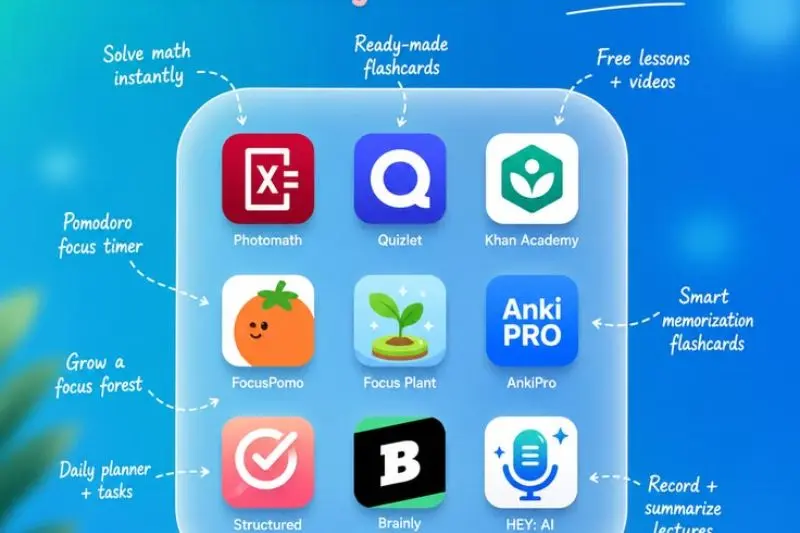
Best study apps are digital tools designed to help learners improve their study habits, organize academic tasks, and understand subjects more effectively. These apps combine technology with education to make learning more interactive and efficient.
They include features such as note-taking, flashcards, timers, quizzes, task management, and progress tracking. Some apps also use smart algorithms to personalize learning experiences based on user performance.
Study apps are used by students of all levels, from school learners to university students and professionals preparing for exams or certifications. They help simplify difficult topics and encourage consistent study habits.
Popular categories of study apps include:
- Note-taking apps
- Flashcard apps
- Productivity and focus apps
- Language learning apps
- Subject-specific learning apps
- Time management apps
Each category serves a different learning purpose but shares the same goal: improving academic performance and efficiency.
Why are Best Study Apps Important
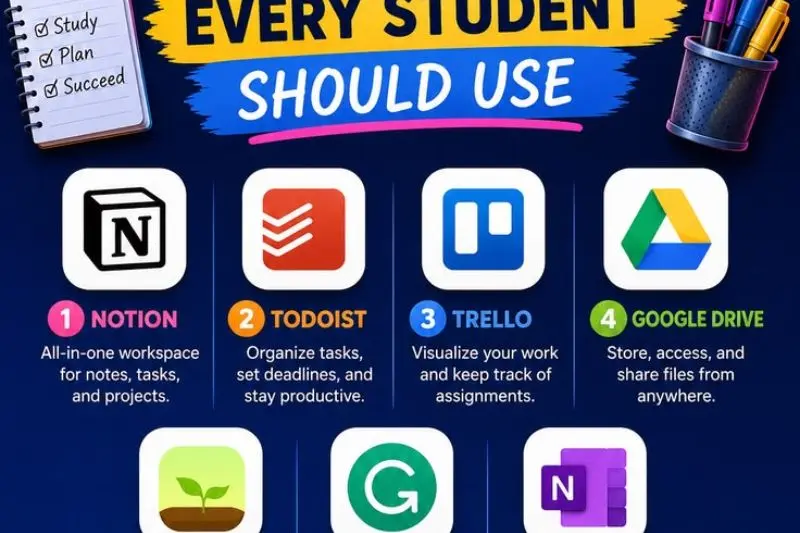
The importance of best study apps lies in their ability to transform traditional learning into a more structured and interactive experience. Many students struggle with distractions, poor time management, and lack of organization, which affects their academic performance.
Study apps solve these problems by helping learners stay focused, organized, and consistent. They provide reminders, schedules, and progress tracking that encourage discipline.
Another key benefit is accessibility. Students can study anytime and anywhere using their mobile devices, making learning more flexible.
These apps also support personalized learning. Instead of using a one-size-fits-all method, they adapt to individual needs and learning speeds.
Additionally, study apps improve retention by using techniques like spaced repetition, quizzes, and interactive exercises, making learning more effective compared to passive reading.
Detailed Step-by-Step Guide
Step 1: Identify Your Study Goals
Before choosing any app, clearly define what you want to achieve.
Examples include:
- Improving exam preparation
- Learning a new language
- Organizing notes
- Improving focus
- Managing time better
Clear goals help you choose the right tools.
Step 2: Choose the Right Type of App
Different apps serve different purposes.
Select based on your need:
- Note-taking apps for writing and organizing information
- Flashcard apps for memorization
- Focus apps for reducing distractions
- Learning apps for subject practice
- Planner apps for scheduling tasks
Using the right category improves productivity.
Step 3: Set Up a Study Routine
Apps are most effective when used consistently.
Create a routine like:
- 30–60 minutes daily study
- Scheduled revision times
- Weekly progress checks
Consistency improves learning outcomes.
Step 4: Organize Study Material
Keep your notes, assignments, and flashcards organized within the app.
This helps reduce confusion and saves revision time before exams.
Step 5: Use Interactive Features
Many study apps include:
- Quizzes
- Progress tracking
- Reminders
- Study analytics
Using these features enhances engagement and motivation.
Step 6: Track Your Progress
Monitor your learning performance weekly.
Check:
- Completed topics
- Weak areas
- Study time
- Accuracy in quizzes
This helps improve weak points.
Step 7: Revise Regularly
Revision is key to long-term retention.
Use spaced repetition tools in study apps to review topics at the right time intervals.
Benefits of Best Study Apps
- Improves learning efficiency
- Helps organize study materials
- Increases focus and concentration
- Saves time with smart features
- Supports personalized learning
- Enhances memory retention
- Provides flexible learning anytime
- Encourages consistent study habits
- Tracks academic progress
- Reduces stress during exams
- Makes learning interactive and engaging
- Helps manage time effectively
- Improves productivity
- Supports self-paced learning
- Useful for all education levels
Disadvantages / Risks
- Overuse may cause distraction
- Requires smartphone or internet access
- Some apps include paid features
- Too many apps can create confusion
- Dependence may reduce self-discipline
- Not all apps are equally effective
- Notifications may interrupt focus
Common Mistakes to Avoid
Many students install multiple apps without actually using them consistently. This reduces productivity instead of improving it.
Another mistake is relying only on apps without active learning or practice.
Ignoring app features like reminders and tracking tools also limits effectiveness.
Some learners switch apps frequently, which disrupts study routines.
Finally, using apps without a clear study plan leads to wasted time and poor results.
FAQs
What are the best study apps used for?
They are used to improve learning, organize study materials, manage time, and enhance academic performance.
Are study apps effective for students?
Yes, they improve focus, memory retention, and study efficiency when used properly.
3. Can study apps replace traditional learning?
No, they support learning but cannot fully replace textbooks or classroom education.
4. Are study apps free?
Many apps are free, but some offer premium features for advanced tools.
5. Which devices support study apps?
Most study apps work on smartphones, tablets, and computers.
6. Do study apps help in exams?
Yes, they help with revision, practice tests, and time management for exams.
7. How many study apps should I use?
It is better to use 2–3 effective apps instead of multiple apps to avoid confusion.
Expert Tips & Bonus Points
Start with one or two apps instead of installing many at once.
Use study apps daily for consistent improvement.
Combine note-taking and flashcard apps for better retention.
Turn off unnecessary notifications to stay focused.
Review progress weekly to identify weak areas.
Set realistic study goals to maintain motivation.
Use timers to improve concentration during study sessions.
Apply learned concepts through practice, not just reading.
Stay consistent rather than studying in long irregular sessions.
Choose apps that match your personal learning style.
Conclusion
Best study apps have transformed the way students learn, revise, and manage their academic tasks. They offer a smart and flexible approach to education by combining technology with effective study techniques. From organizing notes to improving focus and tracking progress, these apps provide valuable support for learners at all levels.
However, success depends on how effectively they are used. Simply downloading apps is not enough; consistent usage, proper planning, and disciplined study habits are essential for achieving real results. When used correctly, study apps can significantly improve academic performance and reduce stress during exams.
The key is to choose the right apps based on your goals, use them consistently, and combine them with active learning techniques. Instead of relying completely on technology, students should use these tools as support systems to enhance their understanding and productivity.
In a fast-moving digital world, mastering the use of best study apps can give learners a strong advantage in education and future careers.
