

Introduction
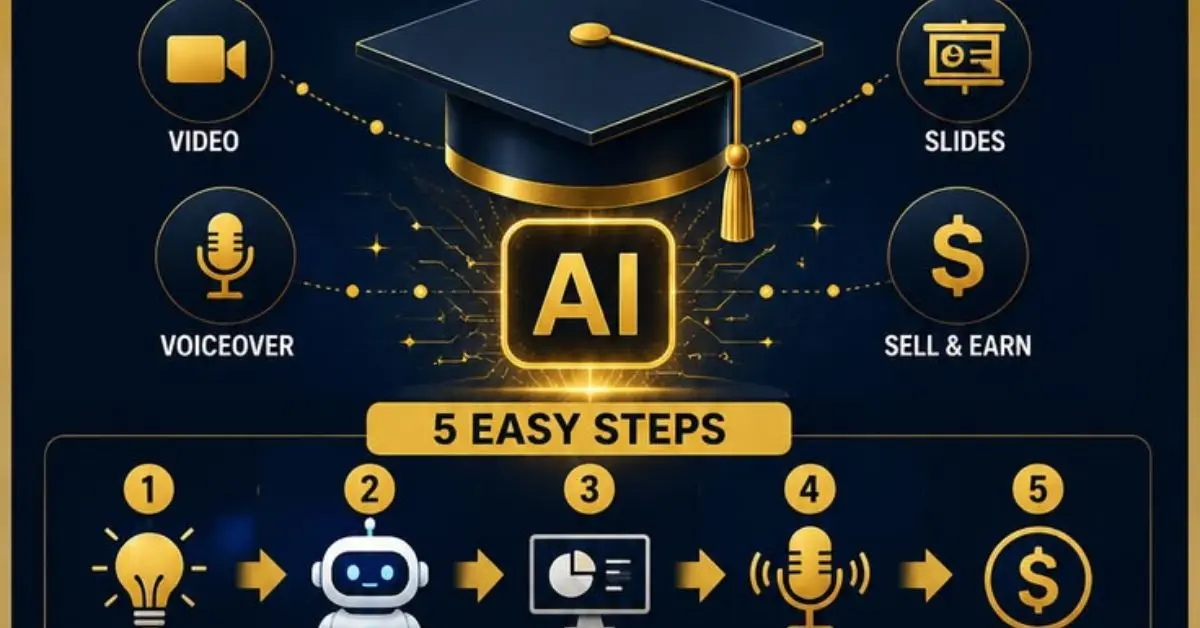
AI tools for learning have revolutionized the way people study, acquire new skills, and improve their knowledge. Whether you are a student preparing for exams, a working professional learning new technologies, or someone exploring a personal interest, intelligent learning tools can make education faster, more organized, and more engaging. Instead of spending hours searching for information, learners can now receive personalized explanations, summaries, practice questions, and study recommendations within minutes.
The growing popularity of online education has increased the demand for digital learning assistants that simplify complex topics and help learners stay productive. These tools can organize notes, explain difficult concepts, create quizzes, improve writing, assist with language learning, and even recommend study schedules based on your progress. They support learners at different skill levels, making education more accessible than ever before.
However, technology should complement learning rather than replace genuine understanding. The most successful learners use these tools to strengthen their knowledge while continuing to practice independently and think critically. Building real skills still requires consistency, curiosity, and practical application.
This guide explains everything you need to know about AI tools for learning, including their purpose, importance, practical applications, benefits, limitations, common mistakes, frequently asked questions, and expert tips. Whether you are just beginning your learning journey or looking to improve your study habits, this guide will help you make smarter educational decisions.
What are AI Tools for Learning?
AI tools for learning are intelligent software applications designed to support education by helping users understand information, organize study materials, and improve learning efficiency. These tools use advanced technologies to analyze user input and provide personalized assistance based on individual learning needs.
Unlike traditional educational software that follows fixed rules, AI-powered learning systems adapt to different learning styles and continuously improve recommendations based on user behavior.
These tools can perform various educational tasks, including:
- Explaining complex concepts
- Summarizing lengthy documents
- Creating study notes
- Generating practice quizzes
- Improving grammar and writing
- Translating languages
- Organizing research
- Recommending personalized study plans
Students, professionals, teachers, and lifelong learners all benefit from these capabilities. Instead of replacing traditional education, these tools serve as learning assistants that improve productivity and understanding.
Why are AI Tools for Learning Important?
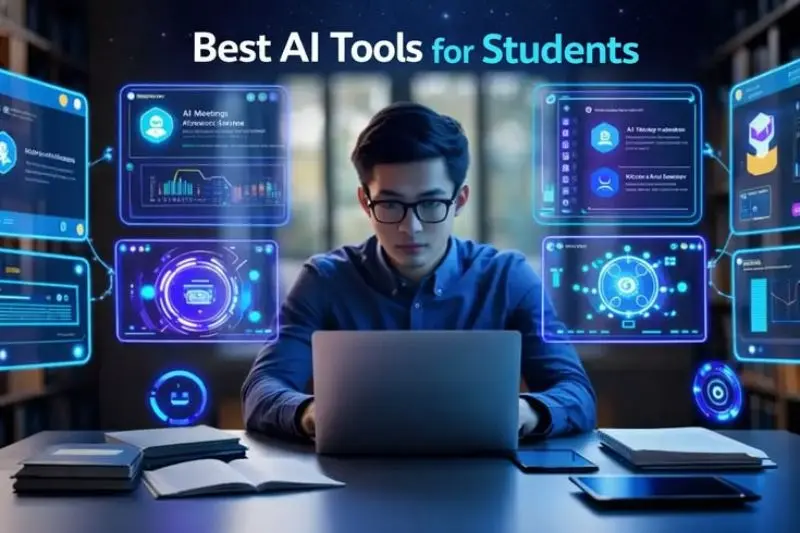
Education continues to evolve as technology advances. AI-powered learning solutions have become increasingly important because they make education more personalized, efficient, and accessible.
One major advantage is personalized learning. Every learner progresses differently, and intelligent systems can adjust recommendations according to individual strengths and weaknesses.
Time management is another important benefit. Instead of spending hours organizing study materials, learners can focus on understanding concepts while repetitive tasks are simplified.
These tools also encourage independent learning. Students no longer need to wait for classroom instruction to clarify difficult topics. Educational assistance becomes available whenever needed.
Professionals also benefit by updating workplace skills without interrupting their careers. Continuous learning has become essential in today’s rapidly changing industries.
Ultimately, AI learning tools support lifelong education by helping learners stay curious, organized, and productive throughout their personal and professional journeys.
Detailed Step-by-Step Guide
Step 1: Define Your Learning Objectives
Before choosing any learning tool, clearly identify your goals.
Ask yourself questions such as:
- What subject do I want to learn?
- Do I need certification?
- Am I preparing for exams?
- Do I want career advancement?
- Is this for personal interest?
Specific objectives make learning more focused.
Step 2: Choose the Right Learning Tool
Different tools specialize in different educational purposes.
Some focus on:
- Writing improvement
- Language learning
- Programming
- Mathematics
- Research assistance
- Productivity
- Note organization
Select tools that match your educational needs instead of trying multiple applications simultaneously.
Step 3: Build a Study Schedule
Technology improves efficiency, but consistency produces lasting results.
Create a realistic schedule such as:
- Thirty minutes daily
- One hour after work
- Weekend review sessions
Following a routine helps maintain motivation.
Step 4: Organize Learning Materials
Store notes, assignments, summaries, and practice questions in organized folders.
Good organization makes revision easier before examinations or professional assessments.
Step 5: Use Personalized Learning Features
Many intelligent learning systems provide customized recommendations.
Take advantage of features such as:
- Personalized quizzes
- Progress tracking
- Learning reminders
- Topic suggestions
- Performance analysis
These features improve learning efficiency.
Step 6: Practice Without Assistance
After receiving explanations, solve problems independently.
Independent practice strengthens understanding and builds long-term confidence.
Learning should combine guidance with personal effort.
Step 7: Review Your Progress
Weekly evaluations help identify strengths and weaknesses.
Track:
- Completed lessons
- Skills gained
- Difficult topics
- Study hours
- Future learning goals
Regular reviews encourage continuous improvement.
Step 8: Continue Developing New Skills
Education should become a lifelong habit.
Once you complete one subject, continue exploring advanced topics, practical projects, and professional certifications.
Continuous learning creates better career opportunities and personal growth.
Benefits of AI Tools for Learning
Using AI tools for learning offers many valuable advantages.
- Personalized educational experiences
- Faster understanding of complex topics
- Improved productivity
- Better organization of study materials
- Flexible learning schedules
- Instant explanations
- Efficient revision support
- Time-saving summaries
- Interactive quizzes
- Improved writing assistance
- Enhanced language learning
- Better research organization
- Supports independent learning
- Encourages lifelong education
- Accessible from multiple devices
These benefits help learners study more effectively while managing busy schedules.
Disadvantages and Risks
Although AI-powered education offers many advantages, learners should understand its limitations.
- Overdependence may reduce independent thinking.
- Some information requires verification.
- Practical experience cannot be fully automated.
- Internet access is usually required.
- Premium features may require subscriptions.
- Privacy concerns may exist on some platforms.
- Learning quality depends on proper usage.
- Excessive technology use may become distracting.
Recognizing these risks encourages responsible learning habits.
Common Mistakes to Avoid
One common mistake is accepting every suggestion without verification. Important educational information should always be reviewed carefully.
Another mistake is relying completely on technology instead of developing independent problem-solving skills.
Many learners also ignore practical application. Reading explanations without practicing limits long-term understanding.
Trying too many learning tools simultaneously often creates unnecessary confusion.
Skipping revision sessions is another frequent mistake. Reviewing previous lessons strengthens memory and improves retention.
Finally, avoid unrealistic expectations. Technology supports learning, but consistent effort remains the key to success.
Frequently Asked Questions
What are AI tools for learning?
AI tools for learning are intelligent educational applications that help users understand concepts, organize study materials, improve writing, generate quizzes, and personalize learning experiences.
2. Can beginners use AI learning tools?
Yes. Most educational tools are designed for learners of all experience levels and provide beginner-friendly guidance.
3. Do AI learning tools replace teachers?
No. They support education by assisting learners, but experienced teachers remain essential for mentorship, classroom interaction, and practical instruction.
4. Can these tools improve productivity?
Yes. They automate repetitive educational tasks, summarize information, organize notes, and help learners focus on understanding key concepts.
5. Should learners verify educational information?
Absolutely. Critical thinking remains important, and learners should confirm important facts using reliable educational resources.
6. Are AI learning tools useful for professionals?
Yes. Professionals use them to learn new technologies, prepare certifications, improve communication, and stay competitive within changing industries.
7. Can these tools help with language learning?
Yes. Many applications assist with vocabulary, pronunciation, grammar, translation, conversation practice, and writing improvement.
Expert Tips & Bonus Points
Start with one educational goal instead of attempting several subjects simultaneously.
Use learning tools to explain concepts rather than complete every task for you.
Practice regularly without digital assistance to strengthen understanding.
Review previous lessons weekly.
Take handwritten notes because writing improves long-term memory.
Build practical projects using newly learned skills.
Track measurable progress every month.
Develop curiosity by exploring related subjects after completing each course.
Focus on consistency rather than speed.
Remember that technology is most valuable when combined with critical thinking, practical experience, and continuous learning.
Conclusion
AI tools for learning have transformed modern education by making knowledge more accessible, personalized, and efficient. Students, professionals, entrepreneurs, and lifelong learners can now study more effectively through intelligent educational support that simplifies complex concepts, organizes information, and improves productivity. Whether your objective is academic success, career advancement, or personal growth, these tools provide valuable assistance throughout the learning journey.
However, meaningful education still depends on personal effort, consistent practice, and independent thinking. Intelligent learning assistants should be viewed as supportive companions rather than replacements for genuine understanding. By selecting suitable tools, creating a realistic study schedule, practicing regularly, reviewing progress, and applying newly acquired knowledge in practical situations, learners can maximize educational success while avoiding common pitfalls.
The future of education will continue evolving alongside technological innovation. Individuals who embrace continuous learning while maintaining strong critical thinking skills will remain better prepared for new opportunities and changing industries. Start with clear learning goals, stay committed to regular study, and use technology wisely to build lasting knowledge, confidence, and professional success.
