

Introduction
Free online courses have changed the way people learn by making quality education available to anyone with an internet connection. Whether you want to improve your career, learn a new hobby, develop technical skills, or explore a personal interest, there are thousands of free learning opportunities available today. Unlike traditional education, online courses provide flexibility, allowing learners to study at their own pace and according to their schedules.
The popularity of free online learning has increased significantly because it removes many common barriers such as expensive tuition fees, geographical limitations, and fixed classroom schedules. Students, professionals, entrepreneurs, and even retirees can benefit from learning new skills without making a financial commitment. Many courses include video lectures, reading materials, quizzes, assignments, and certificates of completion, making the learning experience engaging and practical.
However, choosing the right free online course can sometimes be confusing because there are countless options across different subjects and skill levels. Some courses focus on professional development, while others emphasize academic knowledge or creative skills.
This comprehensive guide explains everything you need to know about free online courses, including their importance, benefits, disadvantages, selection process, common mistakes, frequently asked questions, and expert recommendations. By the end, you’ll be prepared to select courses that match your goals and maximize your learning success.
What are Free Online Courses?

Free online courses are educational programs offered through digital platforms without requiring learners to pay for access to the course content. These courses cover a wide variety of subjects including business, programming, digital marketing, graphic design, finance, health, languages, photography, personal development, and much more.
Most free online courses include structured lessons divided into modules. Learners can watch recorded videos, complete quizzes, download study materials, and practice through assignments. Some courses also include community discussions where students can ask questions and exchange ideas.
Unlike traditional classroom education, free online courses allow complete flexibility. Students can learn whenever they have available time, whether during weekends, evenings, or lunch breaks.
Many educational institutions, nonprofit organizations, companies, and industry experts provide free courses as part of their mission to make knowledge accessible to everyone.
Why are Free Online Courses Important?
Free online courses play an important role in modern education because they provide equal learning opportunities regardless of income or location. Anyone with internet access can improve their skills without paying expensive tuition fees.
These courses help individuals remain competitive in today’s rapidly changing job market. Technology evolves quickly, making continuous learning essential for career growth.
Professionals often use free online courses to update their knowledge, while students use them to supplement classroom education. Entrepreneurs learn marketing, finance, and business management to improve their companies.
Another significant advantage is flexibility. Learners can balance education with work, family responsibilities, or other commitments.
Additionally, free online courses encourage lifelong learning by making education accessible throughout every stage of life.
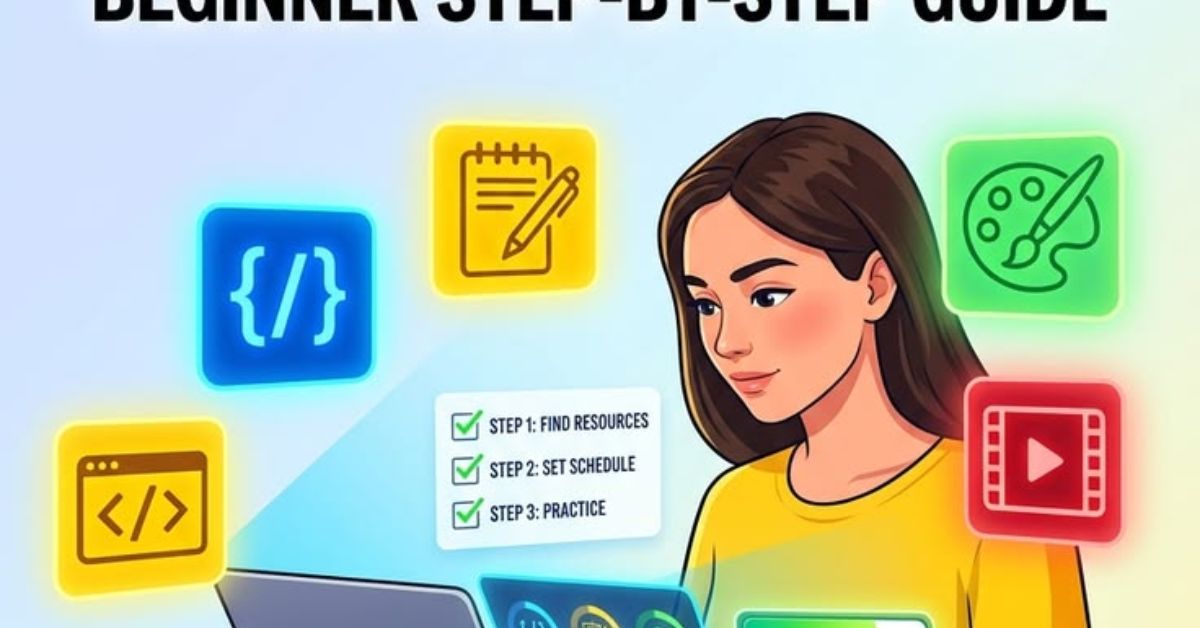
Detailed Step-by-Step Guide
Step 1: Define Your Learning Objective
Before enrolling, determine why you want to learn.
Examples include:
- Career advancement
- Learning a new skill
- Starting a business
- Academic improvement
- Personal development
- Preparing for certifications
Clear goals help narrow your course selection.
Step 2: Select the Right Subject
Choose a subject that aligns with your interests and long-term goals.
Popular categories include:
- Programming
- Business
- Marketing
- Finance
- Writing
- Graphic design
- Data analysis
- Artificial intelligence
- Language learning
- Personal development
Learning becomes easier when you genuinely enjoy the subject.
Step 3: Evaluate Course Quality
Not every free course offers the same value.
Before enrolling, review:
- Instructor credentials
- Student ratings
- Course syllabus
- Update frequency
- Practice exercises
- Community support
High-quality courses provide better learning experiences.
Step 4: Create a Study Schedule
Consistency produces better results than occasional long study sessions.
For example:
- 30 minutes daily
- One hour every evening
- Weekend study blocks
Maintaining a routine increases completion rates.
Step 5: Take Notes
Writing important concepts improves understanding and memory retention.
Organize notes into sections, summarize key ideas, and review them regularly.
Well-organized notes become valuable reference materials later.
Step 6: Complete Every Assignment
Assignments reinforce learning through practical application.
Instead of only watching videos, actively participate in quizzes, projects, and exercises.
Hands-on practice develops confidence and real-world skills.
Step 7: Apply Your Knowledge
Learning becomes meaningful when applied practically.
Examples include:
- Building websites
- Creating marketing campaigns
- Designing graphics
- Writing articles
- Managing budgets
- Developing software projects
Real experience strengthens your understanding.
Step 8: Continue Learning
Education should not stop after completing one course.
Develop a continuous learning habit by exploring advanced topics and expanding your skills over time.
Continuous improvement creates long-term personal and professional growth.
Benefits of Free Online Courses
Free online courses offer numerous advantages for learners of every age and experience level.
Disadvantages and Risks
Despite many benefits, learners should understand the limitations.
- Requires self-discipline
- Internet access is necessary
- Some courses lack certificates
- Course quality varies
- Limited instructor interaction
- Fewer networking opportunities
- Practical training may be limited
- Information overload can become overwhelming
- Some learners lose motivation before completion
Understanding these challenges helps learners prepare more effectively.
Common Mistakes to Avoid
One of the biggest mistakes is enrolling in too many courses at the same time. This often leads to unfinished learning and reduced motivation.
Another mistake is choosing courses simply because they are free rather than because they align with personal goals.
Skipping practical assignments is also common. Practical exercises are essential for developing usable skills.
Many learners fail to maintain a regular study schedule, causing slow progress and forgotten material.
Ignoring revision is another mistake. Reviewing previous lessons strengthens memory and improves long-term retention.
Finally, many students expect immediate success. Learning requires patience, consistency, and continuous practice.
Frequently Asked Questions
What are free online courses?
Free online courses are educational programs available on the internet without charging learners for accessing the course content.
2. Can beginners benefit from free online courses?
Yes. Many free courses are specifically designed for beginners and require no previous experience.
3. Do free online courses provide certificates?
Some courses include free certificates, while others charge only for certification but keep the learning content free.
4. Are free online courses suitable for career development?
Absolutely. Many professionals use free online courses to develop valuable workplace skills and improve employment opportunities.
5. How much time should I spend studying?
Even thirty to sixty minutes daily can produce excellent results if you study consistently.
6. Can I learn multiple subjects simultaneously?
Although possible, focusing on one subject at a time usually leads to better understanding and higher completion rates.
7. How do I stay motivated?
Set achievable goals, track your progress, celebrate milestones, complete practical projects, and maintain a consistent study routine.
Expert Tips & Bonus Points
Start with beginner-level courses before attempting advanced topics.
Focus on completing one course completely instead of collecting unfinished courses.
Practice every new concept immediately after learning it.
Take handwritten notes because writing improves memory retention.
Review previous lessons weekly to reinforce understanding.
Set measurable learning goals with realistic deadlines.
Build a portfolio showcasing your completed projects and achievements.
Join online learning communities to ask questions and share experiences.
Continue updating your skills because industries constantly evolve.
Remember that learning is a long-term investment that provides lasting personal and professional benefits.
Conclusion
Free online courses have made education more accessible than ever before, allowing millions of people to learn valuable skills regardless of their financial situation or geographical location. Whether your objective is career advancement, personal development, entrepreneurship, or academic improvement, these courses provide flexible and affordable opportunities to achieve your goals.
Success with free online learning depends on selecting quality courses, maintaining a consistent study schedule, completing assignments, and applying new knowledge through practical projects. While online education requires discipline and self-motivation, the long-term rewards far outweigh the challenges.
Rather than viewing learning as a one-time activity, make it a lifelong habit. Continuously improving your knowledge helps you remain competitive in today’s rapidly changing world while increasing confidence and opening new opportunities. Start with one course that aligns with your goals, dedicate regular time to learning, and gradually build your expertise. Every lesson completed brings you one step closer to achieving personal growth, professional success, and lifelong learning.
