


Walking into an interview room can feel incredibly nerve-wracking. Whether you are stepping into the corporate world for the very first time or looking to make a mid-career pivot, the anxiety of being evaluated is completely universal. However, the secret to transforming that nervous energy into quiet confidence lies entirely in how you prepare beforehand. By focusing on targeted interview preparation tips, you can effectively dismantle the fear of the unknown and present the absolute best version of yourself to potential employers.
Success in a job interview is rarely a matter of luck. Instead, it is the direct result of a strategic approach that combines deep company research, sharp self-awareness, and intentional practice. In today’s highly competitive job market, simply showing up with a printed copy of your resume is no longer enough to set you apart. Employers are looking for candidates who demonstrate a clear understanding of their business goals and possess the precise skills needed to solve their unique challenges. This comprehensive guide will walk you through everything you need to know to prepare thoroughly, speak confidently, and leave a lasting positive impression on your interviewers.
What is Interview Preparation?
Interview preparation is the systematic process of researching, practicing, and organizing your thoughts before participating in a job interview. It involves far more than just memorizing your employment history or picking out a professional outfit. True preparation requires a deep dive into the company’s core values, financial health, and overall culture, alongside a critical assessment of how your unique experiences align with the specific requirements of the job opening.
At its core, this process is about bridge-building. You are essentially constructing a narrative that connects your past achievements to the future success of the organization. It means analyzing the job description line by line, predicting the questions the hiring manager might ask, and structuring your answers using proven frameworks. It also includes taking care of logistics, such as testing your webcam for virtual interviews or mapping out your travel route for an in-person meeting.
Why is Interview Preparation Important?
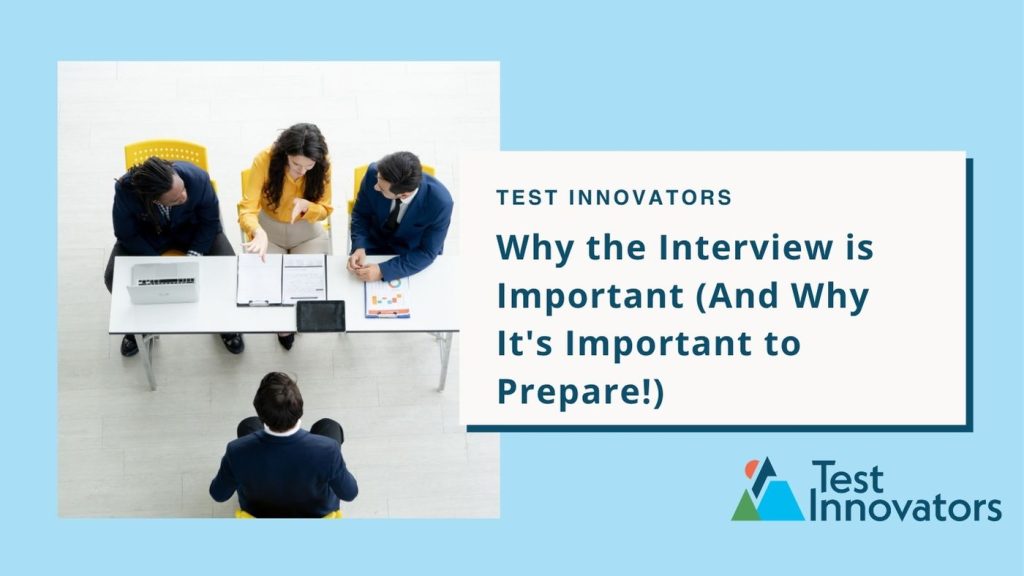
Proper preparation acts as your ultimate shield against interview anxiety. When you take the time to study the position and practice your responses, you significantly reduce the chances of freezing up or rambling during the conversation. This sense of readiness allows you to stay calm, maintain eye contact, and listen actively to the interviewer rather than frantically worrying about what you will say next.
Furthermore, a well-prepared candidate stands out instantly in a sea of generic applicants. When you can fluently speak the company’s language and reference their recent achievements, you signal to the hiring manager that you are genuinely invested in the role. This level of dedication builds immediate trust and demonstrates a high work ethic, proving that you are someone who takes initiative and delivers thorough results.
Detailed Step-by-Step Guide to Acing Your Interview
To ensure you cover all necessary ground, it helps to break your preparation down into three distinct phases: before the interview, during the conversation, and after the meeting concludes.
Phase 1: Research and Analysis (Before the Interview)
The first step is to become an investigator. Start by exploring the company’s official website, specifically their “About Us” page, mission statement, and product offerings. Look through their recent press releases to understand their current market positioning and future expansions.
Next, spend time analyzing the job description to identify the primary technical skills and soft skills the employer values most. Once you identify these keywords, match them with specific examples from your own career where you successfully demonstrated those exact traits.
Phase 2: Mastering the Art of the Narrative
People remember stories far better than they remember a dry list of duties. For behavioral questions, which often start with “Tell me about a time when,” you should always use the STAR method. This structured approach ensures your answers remain concise and impactful:
- Situation: Set the scene by briefly describing the context of the challenge you faced.
- Task: Explain the specific responsibility or problem that needed immediate attention.
- Action: Detail the exact steps you took to address the situation, focusing heavily on your personal contribution.
- Result: Share the positive outcome of your actions, using quantifiable metrics and data whenever possible.
Phase 3: Perfecting Non-Verbal Communication
Your body language often speaks volumes before you even open your mouth. Practice maintaining a straight, confident posture whether you are sitting in an office chair or looking into a computer camera. Mirroring the interviewer’s energy and nodding subtly shows that you are fully engaged in the discussion.
If you are participating in a virtual interview, ensure your background is entirely clean, clutter-free, and well-lit. Position your camera at eye level so that you are looking directly at the interviewer rather than down at your screen, which helps simulate natural eye contact.
Benefits of Effective Interview Preparation
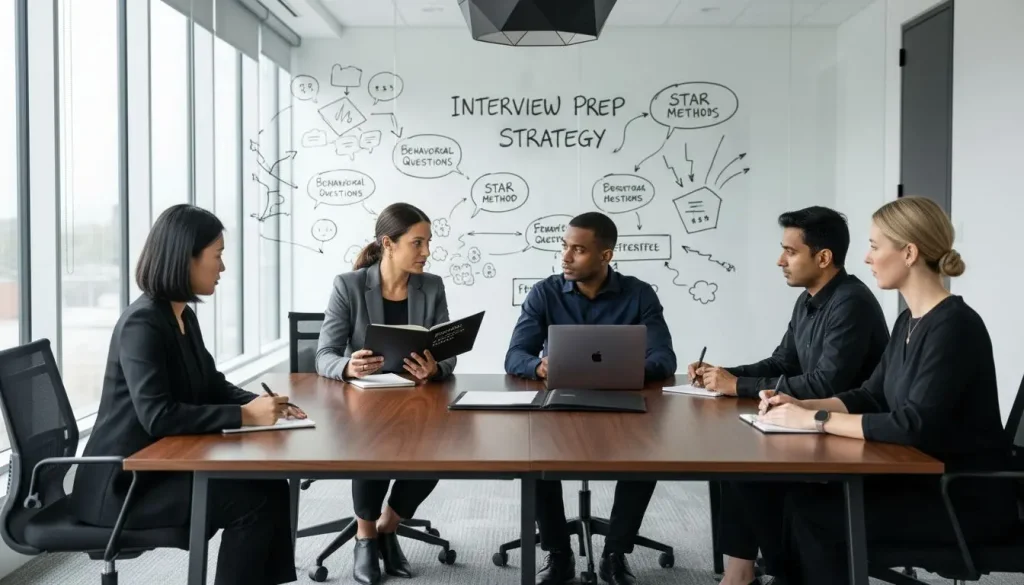
Investing time in your preparation provides numerous competitive advantages that can rapidly accelerate your job search progress.
- Boosts Confidence: Knowing your material inside and out eliminates performance anxiety and helps you speak with authority.
- Improves Communication: Regular practice prevents rambling, allowing you to deliver clear, structured, and concise answers.
- Demonstrates Professionalism: Deep knowledge of the company showcases your strong work ethic and genuine interest in the role.
- Enables Stronger Negotiation: Understanding your market value and the company’s needs places you in a much better position to discuss salary packages later.
- Saves Time: Turning interviews into job offers faster prevents job search burnout and keeps your career moving forward.
Disadvantages and Risks of Poor Preparation
Neglecting the preparation phase can lead to avoidable mistakes that could cost you a valuable job opportunity.
- Increased Nervousness: Entering a room unprepared naturally triggers a fight-or-flight response, leading to stuttering or mental blocks.
- Generic Responses: Without specific company knowledge, your answers will sound identical to every other applicant, making you instantly forgettable.
- Misalignment of Goals: Failing to research the organizational culture might result in you accepting a position that does not actually fit your personal values.
- Inability to Answer Tough Questions: Unprepared candidates often struggle when faced with complex situational or technical problem-solving queries.
- Damaged Professional Reputation: Showing a clear lack of interest or knowledge can close doors on future opportunities within that specific network.
Common Mistakes to Avoid
Even highly qualified professionals can stumble during the hiring process by falling into a few common traps. Being aware of these pitfalls is a crucial part of your overall strategy.
One major mistake is speaking negatively about past employers or colleagues. No matter how toxic a previous workplace might have been, airing grievances during an interview is a massive red flag for hiring managers, as it implies a lack of diplomacy. Instead, reframe difficult past experiences as opportunities where you learned resilience or conflict-resolution skills.
Another frequent error is failing to ask insightful questions at the end of the meeting. When an interviewer asks, “Do you have any questions for me?” replying with a simple “No” signals a distinct lack of curiosity or ambition. Always prepare a few thoughtful questions regarding team dynamics, upcoming projects, or company growth plans to show you are already thinking like an active team member.
How long should I spend preparing for an upcoming job interview?
Ideally, you should dedicate between two to four hours of focused preparation for each interview. This timeframe gives you enough room to research the company thoroughly, review the LinkedIn profiles of your interviewers, and practice your responses out of loud.
What should I do if I do not know the answer to a specific question?
Never attempt to fake an answer or make up information on the spot, as experienced interviewers can easily spot dishonesty. Instead, stay calm, take a brief pause, and say something like, “That is an excellent question. While I have not encountered that exact scenario before, here is how I would approach solving it based on my experience with similar projects.”
How should I dress for an interview if the company culture is highly casual?
Even if the company allows employees to wear t-shirts and jeans daily, you should always dress at least one or two notches above their standard dress code for the interview. Opting for business casual attire shows respect for the formal nature of the hiring process.
Is it acceptable to bring a notebook or cheat sheet into the interview room?
Yes, bringing a neat notebook is highly professional. You can use it to write down the questions you want to ask at the end, and you can take brief notes during the conversation. However, avoid looking down at your notes constantly, as this can disrupt the natural flow of the conversation.
How quickly should I send a follow-up thank-you note after the meeting?
You should aim to send a personalized thank-you email within 24 hours of completing your interview. Express your gratitude for their time, reiterate your enthusiasm for the position, and briefly mention a specific topic discussed during the meeting to show you were paying close attention.
How can I best handle questions regarding my salary expectations?
Try to avoid naming a specific number too early in the conversation if possible. Instead, research market averages for the role beforehand and provide a reasonable salary range, stating that you are open to discussing a total compensation package that aligns with the scope of the responsibilities.
Expert Tips and Bonus Points
To truly separate yourself from the competition, try incorporating these advanced, expert-level strategies into your routine:
Conduct a Full Digital Clean-Up: Employers routinely look up candidates online. Ensure your public social media profiles reflect a professional image and update your LinkedIn profile so it completely matches your current resume.
Analyze the Interviewers on LinkedIn: Look up the people who will be interviewing you to understand their career trajectories. Finding common ground, such as a shared past employer or university, can help build immediate rapport.
Prepare Your Own Dynamic Questions: Ask questions that show you are ready to hit the ground running. For example, ask, “What does success look like in the first 90 days for someone stepping into this position?”
Practice Out Loud: Reading your answers silently in your head is completely different from speaking them. Record yourself on your phone or practice in front of a mirror to check your pacing, tone, and filler words.
Conclusion
Ultimately, mastering the job hunt comes down to commitment and consistency. By utilizing these practical interview preparation tips, you effectively eliminate guesswork from the equation and allow your true capabilities to shine brightly. Remember that every single interview you experience, regardless of whether it results in an immediate job offer, is an incredibly valuable learning opportunity that sharpens your professional communication skills.
Approaching the hiring process with a structured mindset allows you to view employers as potential partners rather than intimidating judges. Stay diligent with your research, practice your storytelling format, and maintain a positive attitude throughout the journey. With the right amount of dedication and thorough preparation, you will soon walk into your next interview room feeling completely ready to claim the career advancement you truly deserve.
